The Tea Legacy of Mauritius
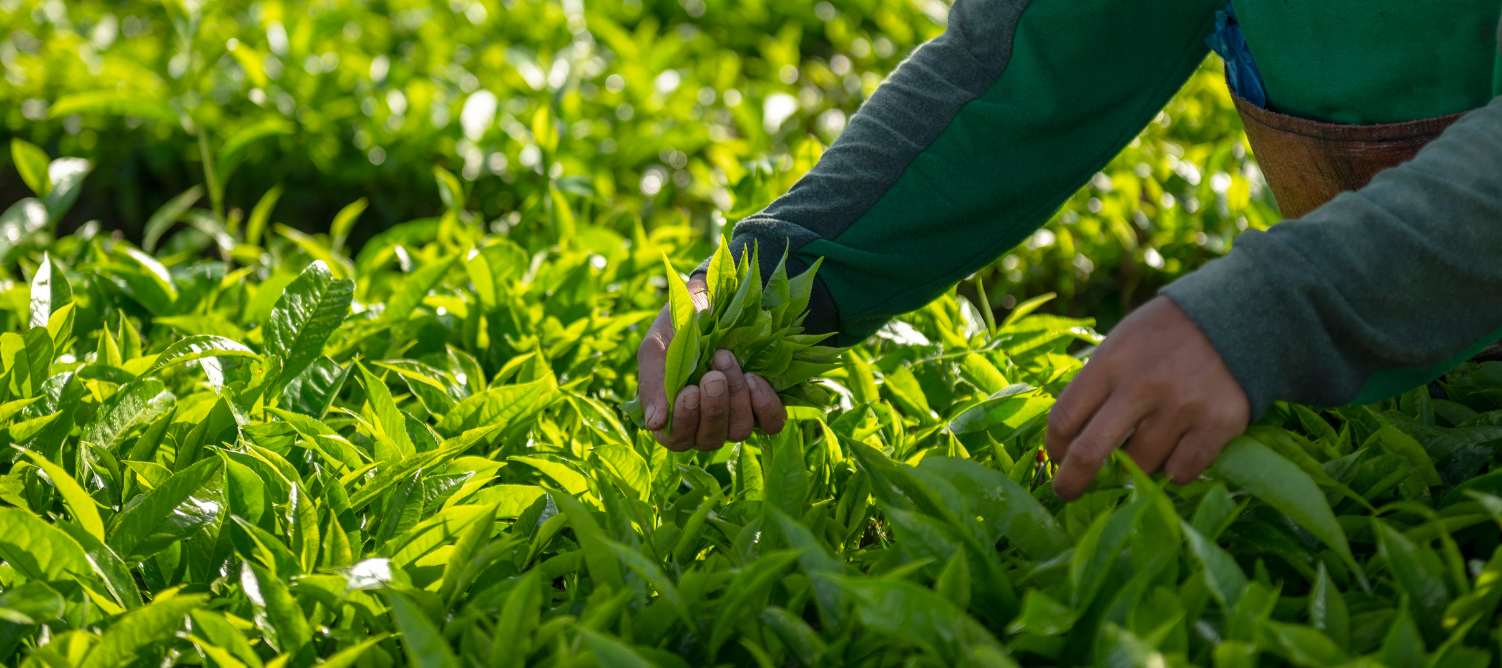
In the heart of the Indian Ocean, nestled among the island’s rolling sugarcane fields, a quieter yet enduring cultivation thrives—one rooted in leaves, soil, and tradition. Often overshadowed by the dominant sugar industry, tea has nonetheless carved its own distinct path through the Mauritian landscape, particularly in key regions like Bois Chéri, Midlands, and Forest Side, which provide ideal conditions for its cultivation. For nearly two centuries, tea has been more than just a beverage; it’s a thread intricately woven into the island’s cultural and botanical heritage.
At Planty, we draw deeply from this rich legacy, reconnecting with the natural rhythms of Mauritius’ unique ecosystems. Our mission is simple yet profound: to help Mauritians rediscover their roots, their history, and the vibrant ecosystems that sustain us.
I. Historical Roots of Tea Cultivation in Mauritius
Early Beginnings: Tea’s Introduction to Mauritius
The journey of tea cultivation on the island is one marked by vision, determination, and adaptation. It began as early as 1760, when Father Galloys, a French priest, introduced the Camellia sinensis plant to Mauritius from China. Yet, it wasn’t until 1817 that Governor Robert Farquhar recognized the need to diversify the sugar-dominated economy and renewed efforts to establish tea as a commercial crop.
One of the early pioneers, Mr. Jaunet, championed the cultivation of tea under Farquhar’s encouragement. In 1842, he documented his observations and efforts in collecting seeds and young plants that naturally thrived on the island, especially in the Quartier Militaire area. He noted:
“While my clove and coffee plantations were always completely destroyed by strong winds, even the strongest hurricanes over the past 25 years could not destroy a single tea plant.”
Despite facing setbacks, such as Farquhar’s departure, Jaunet remained convinced of tea’s potential for the island, recognizing its resilience against Mauritius’ harsh cyclones.
Pioneers Who Shaped the Tea Industry
Though initial efforts struggled, the late 19th and early 20th centuries saw renewed interest in tea, particularly led by figures like Jules Corson and the Bois Chéri estate. The mid-20th century brought government initiatives, such as the Tea Smallholding Scheme, which supported small-scale farmers and stabilized production, ensuring the industry’s survival through challenging periods.
La Maison Corson Family’s Lasting Contribution
One of the key players in the Mauritian tea industry has been the Corson family. With their focus on innovative methods and meticulous cultivation, they have kept the Mauritian tea legacy alive through thick and thin.
Even when the global market shifted, and sugarcane once again became the dominant crop in the 1990s, La Maison Corson remained steadfast, producing some of the island’s most beloved teas.
The resilience of the tea sector in Mauritius, as exemplified by historical figures like Jaunet and La Maison Corson, showcases the enduring spirit of the island’s agricultural heritage. Despite facing natural disasters, economic downturns, and shifting global markets, tea has remained a symbol of perseverance in Mauritius’ rich agricultural tapestry.
II. The Role of Climate in Tea Cultivation
The characteristics of tea produced in Mauritius are not only shaped by how it is grown but also by the delicate interplay between the plant and its environment. Mauritian tea is a true reflection of the island’s distinctive climatic conditions, which create a one-of-a-kind environment that imbues the tea with its unique flavors and qualities.
Why Climate Matters in Tea Cultivation
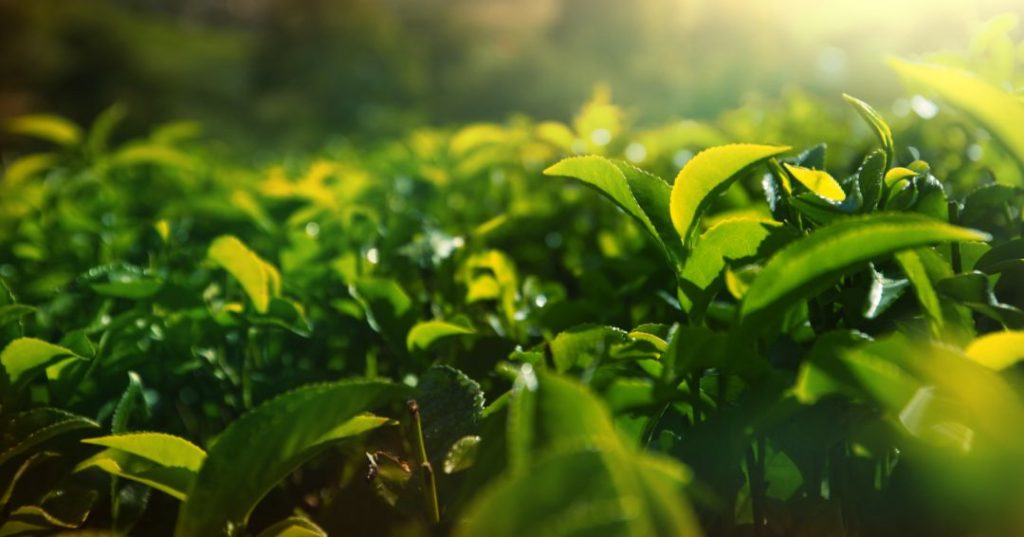
Tea cultivation is profoundly influenced by its surrounding environment, with the success of tea crops dependent on a balance of climatic factors. Moderate and stable temperatures of tropical and subtropical climates are optimal for promoting leaf growth, and provide the conditions that tea plants need to thrive. Adequate rainfall and humidity are also essential to ensure that tea bushes remain lush and vibrant, supplying the moisture needed to develop rich flavors. Without sufficient water, the leaves cannot fully develop, which directly impacts the quality of the harvest and its flavours.
Regions of Mauritius with well-draining, fertile soils enriched by volcanic or mineral content best support the deep root systems of tea bushes, providing nutrients essential for robust growth. Elevation also has an influence on the quality of the tea, with high altitudes creating cooler, mistier conditions that promote better flavors. This interplay between climate, soil, and topography makes each region’s tea unique, capturing the essence of its environment, its terroir, in every leaf.
The Historical Roots of Tea Cultivation in Mauritius
In Mauritius, the introduction of tea cultivation was initially met with experimentation across various regions to find the most suitable conditions. By the 1820s, the first successful plantations emerged in areas like Quartier Militaire and Curepipe, where the cooler highland climate and rainfall created the best environment on the island for the tea plant to thrive.
As the tea industry grew, planters recognized that the high plateaus of Mauritius created conditions that were excellent for tea cultivation. This led to the establishment of plantations in regions such as Midlands, Bois Chéri, and Forest Side —areas that have since become synonymous with Mauritian tea culture.
Key Tea Cultivation Regions in Mauritius : Midlands, Bois Chéri and Forest side
Midlands
The Midlands region is situated at a moderate elevation and shows a climate characterized by a balanced mix of sunshine and rainfall. This weather pattern helps maintain moist soil conditions year-round, which is essential for tea cultivation. Historically, the Midlands was one of the first areas identified for tea farming in Mauritius, making it a significant hub for smallholder tea farms. The region’s favorable climate has allowed the region to become a key area in the local tea industry.
Bois Chéri
Located in the highlands, Bois Chéri benefits from a unique microclimate that is particularly conducive to tea growth. The area of Bois Chéri is known for its cool temperatures and ample rainfall, which together create adequate conditions for the slow and steady growth of tea bushes. This environment allows the plants to develop rich flavors and aromas, making Bois Chéri a key region in Mauritian tea cultivation.
Forest Side
Forest Side is another notable region for tea cultivation in Mauritius, distinguished by its consistently misty conditions. The thick mist provides constant moisture that helps maintain optimal soil hydration for tea plants. The higher humidity protects leaves from intense sunlight, reducing stress on the plants and promoting healthier growth. Historically, Forest Side was recognized by colonial planters as having ideal conditions for cultivating tea, contributing to its reputation as a significant tea-producing area.
La Maison Corson’s Tea Plantations: A Legacy of Resilience in the Highlands
Today, the La Maison Corson continues to play a pivotal role in Mauritius’ tea industry, working closely with over 200 small planters in the island’s highland regions, where the climate is well suited for tea cultivation.
As Mauritius’ first tea maker, La Maison Corson has built a lasting partnership with smallholder farmers, celebrating their artisanal harvesting methods and dedication to producing tea. This collaboration not only ensures the finest raw materials but also supports the preservation of traditional cultivation practices.
III. The Connection to Planty’s Ethnobotanical Heritage
At Planty, we use the tea that La Maison Corson has been crafting for generations. Sourced from dedicated small planters and cultivated in harmony with Mauritius’ unique climate, this tea reflects the highest quality the island has to offer and embodies a deep respect for tradition. Through our blends, we honor this legacy while bringing a fresh perspective to a time-honored craft.
The Symbolic Power of Tea: A Global and Local Connection
Tea is more than just a drink; it’s a symbol of peace, community, and reflection. For centuries, tea has been a ritual that brings people together. In Mauritius, sharing a cup of tea is an invitation to slow down, reconnect, and savor the moment.
Peace activist Satish Kumar once described tea as a “Tea of Peace”—a simple act of sharing that transcends cultural boundaries. This symbolism aligns with Planty’s ethos, where each blend is designed to create a moment of mindfulness and connection.
Blending Tradition with Innovation
At Planty, we embrace the rich tradition of Mauritian tea while introducing creative, modern infusions. By blending local herbs, spices, and fruits with various types of Mauritian black tea and green tea, we offer a sensory journey that celebrates both the island’s botanical diversity and its cultural heritage. Imagine the warming notes of cinnamon, the refreshing zest of lemongrass, or the earthy undertones of turmeric—each cup is a tribute to Mauritius’ vibrant ecosystems.
Conclusion
Mauritius’ tea heritage, rooted in regions like Midlands, Bois Chéri, and Forest Side, has stood the test of time, shaped by the resilience of local farmers and reflected the island’s unique climatic conditions. At Planty, we honor this legacy, offering blends that reflect both the island’s historical significance and its botanical richness. Through every cup, we invite you to reconnect with Mauritius’ natural rhythms and savor a moment of peace.