
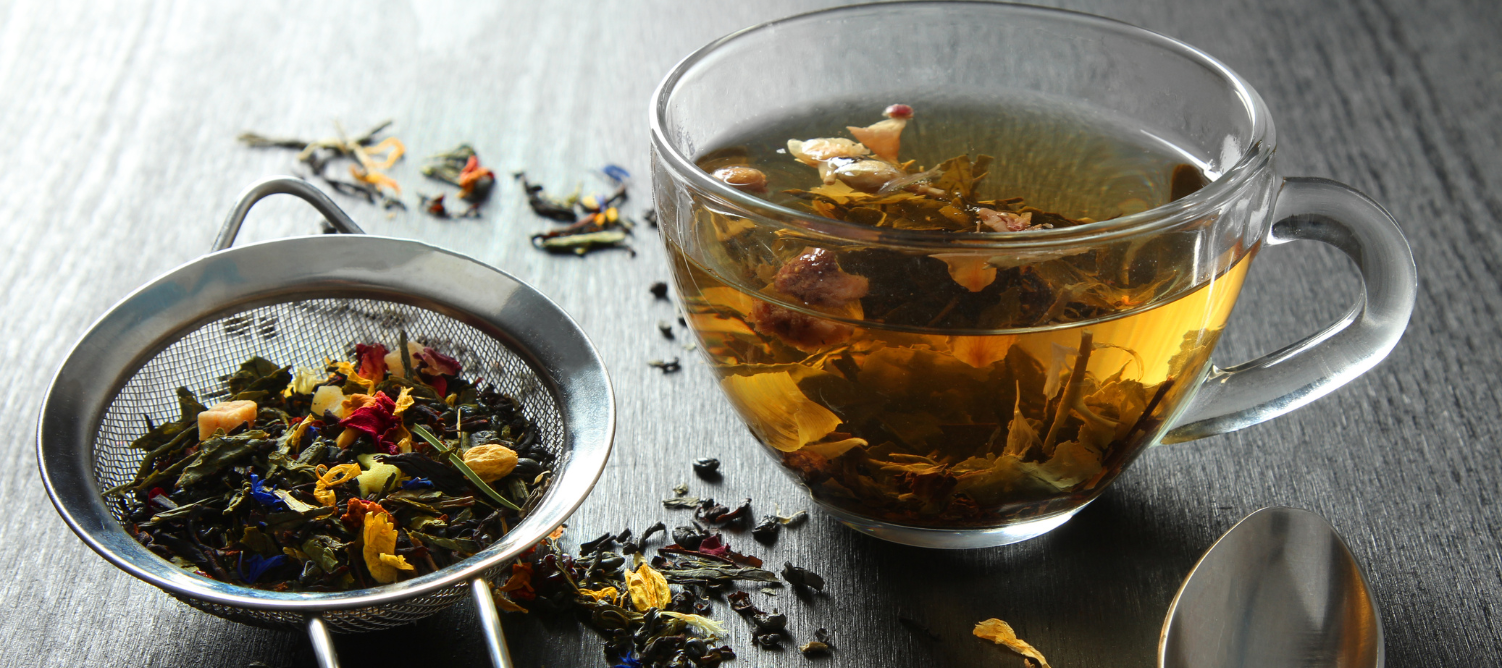
For centuries, herbal tea has transcended its role as a mere beverage. It has symbolized healing, connection, and tradition—a living testament to humanity’s enduring relationship with the natural world.
In isolated island communities, this bond takes on profound meaning, as reliance on local flora shapes both wellness practices and cultural identity.
Plants are more than nourishment—they are nature’s pharmacies. Many modern medicines originate from plant compounds, showcasing their powerful role in human health.
At Planty, we seek to revive this connection, honoring the heritage of herbal teas while encouraging thoughtful living and sustainable practices.
The historical journey of herbal tea
The origins of herbal tea are deeply rooted in ancient human civilizations, stemming from the discovery of the healing properties of plants.
A legend attributes the discovery of tea to Emperor Shen Nong of China in 2737 BCE. As his water boiled, leaves from a camellia bush accidentally drifted into the pot, creating the first infusion. Intrigued by its aroma, the emperor took a sip and found it both invigorating and restorative, laying the foundation for a tradition that would endure for millennia. (1)
This narrative reflects a broader truth: across the world, early societies explored the natural world to develop their own herbal brews. These infusions were consumed not only for pleasure but also as medicines, spiritual aids, and social rituals.
For centuries, herbal teas have been used to ease ailments, curb hunger, and enhance wellbeing.
Indigenous North American communities brewed yaupon holly (Ilex vomitoria) for its stimulating effects, both as medicine and in sacred ceremonies . (2)
Ancient Egyptians, Greeks, and Romans relied on chamomile to soothe fevers and skin conditions, while Indigenous Australians used eucalyptus infusions to relieve colds and respiratory issues.
The link between nature and well-being
Plants are much more than food; they are powerful sources of medicine.
The pharmaceutical industry has long relied on plant-based molecules to create medicines. Many modern drugs are derived from plants:
For example, Digitoxin, extracted from the foxglove plant, is employed in managing cardiac conditions. Artemisinin, derived from Artemisia annua, is used to combat malaria, which is resistant to many drugs, and Silymarin, from the seeds of Silybum marianum, is used for treating liver disorders. (3)
With the growing interest in holistic health, herbal teas offer a more accessible way to tap into the medicinal properties of plants. Through the art of brewing, people can steep leaves, flowers, or roots, and extract useful compounds in small doses that are easy to incorporate into daily life.
The Art and Ritual of Tea and Herbal Infusions
Herbal teas are more than just drinks; they’re part of a rich tradition in many cultures, bringing people closer to nature and each other. Preparing and drinking herbal teas can be a mindful ritual—something that slows us down and connects us to the present moment.
When we talk about “tea,” we usually mean an infusion made from the leaves of the Camellia sinensis plant. This is the base for green tea, oolong and black tea, among the most popular types. Tea has become popular worldwide, partly because of its energizing properties, linked to its caffeine content, and over time, many cultures have developed their own unique ways to prepare and enjoy it. From the Japanese chanoyu tea ceremony to the British afternoon tea, tea has become a part of daily life in many places.
As opposed to tea that is made from Camelia siensis, the broader category of herbal teas are made from a wide range of plant species. Many plant parts can be used —flowers, herbs, fruits, seeds, and roots, and are often appreciated for their calming or health-boosting properties. From chamomile in Europe to rooibos in South Africa, herbal teas have their own traditions and are often used to help with relaxation, digestion, or even spiritual well-being.
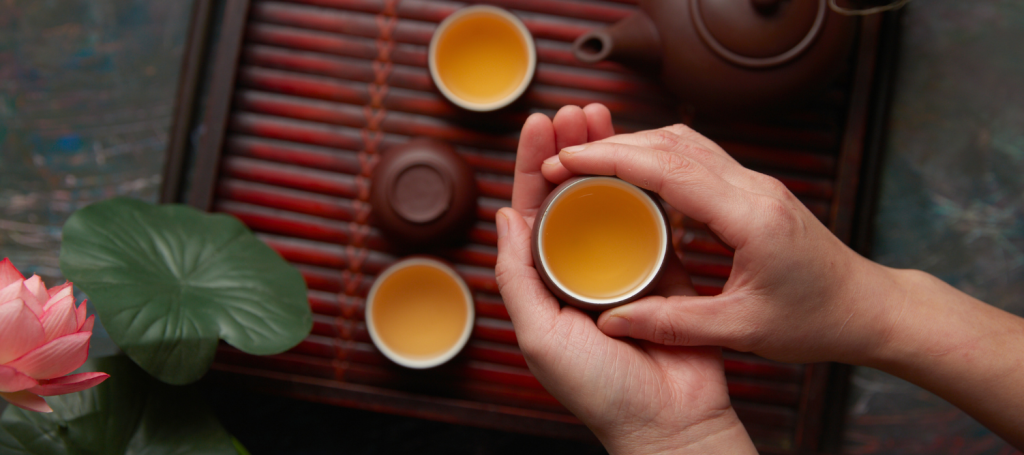
Herbal Tea: Connecting people with nature
Herbal teas are more than just beverages—they are a link to the plants and nature they come from. For centuries, herbs used in teas have been cherished for their healing properties and cultural significance. By drinking herbal tea, we honor these plants and the wisdom passed down through generations.
Tea and herbal infusions also foster connection. Whether shared with friends, family, or in community gatherings, they offer a moment to pause, converse, and bond with others. These rituals create space for reflection and mindfulness, encouraging us to slow down and appreciate the present—something often lost in the rush of daily life.
Both tea and herbal infusions remind us of our connection to nature and each other. Whether enjoyed alone or with others, they provide an opportunity to reconnect, reflect, and find peace in our fast-paced world.
Islands and Herbal Tea: Rethinking our connection
Island communities, like those in Mauritius, have long relied on natural resources for health, tradition, and economic vitality. However, as modernization reshapes lifestyles, the close connection to nature that once defined these communities is fading. In a world where we’re increasingly distanced from the land, it’s more important than ever to reconnect with our surroundings—our environment, culture, and heritage.
Conclusion
Herbal tea is a reminder of our enduring bond with nature. It ties us to the land, our cultural roots, and to one another. Every cup is an invitation to pause and reflect, grounding us in the rhythms of the natural world.
At Planty, we seek to revive this connection by honoring the rich traditions of herbal teas while promoting mindful living and balance. We invite you to rediscover the art of herbal tea—a simple, yet powerful practice that helps reconnect us with nature and a more thoughtful way of life.
(1) “Tea’s Wonderful History” – Chinese Historical & Cultural Project
(2) “The History and Use of Yaupon Tea” – Yaupon Tea
(3) Plant-Derived Natural Products: A Source for Drug Discovery and Development by Noureddine Chaachouay and Lahcen Zidane.