The Journey of Cinnamon to Mauritius
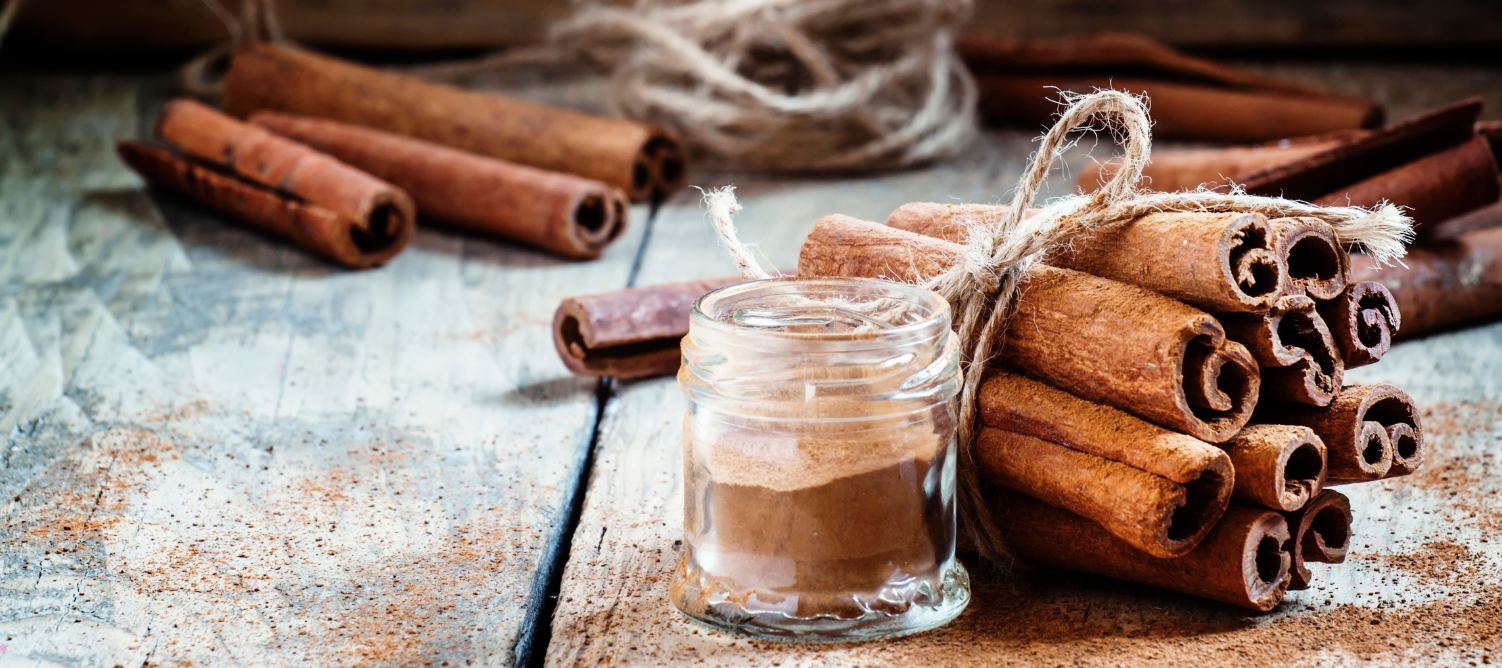
Cinnamon, a spice as ancient as the Silk Road itself, was once so highly valued that its worth rivaled that of gold and ivory. It was used as currency by Arab merchants and considered an exceptional gift for monarchs and deities alike. Alongside other prized spices like cloves, pepper, and nutmeg, cinnamon formed part of a powerful global trade network that shaped much of world history. Mauritius, with its strategic position in the Indian Ocean, played a significant role in this exchange, serving as a waypoint for ships navigating the spice trade. Over time, through the introduction of cinnamon by figures like Pierre Poivre, this spice took root in the Indian Ocean islands, leaving a lasting imprint on Mauritius’ culture, economy, and culinary traditions.
Origins of Cinnamon: From Sri Lanka to the Spice Route
Cinnamon’s origin is traced back to Sri Lanka (historically known as Ceylon), where it has been cultivated for over 4,000 years. Arab traders were the first to introduce cinnamon to Europe, acting as intermediaries in the spice trade. To maintain control over this lucrative commodity, they created elaborate stories about the spice’s origins to safeguard their monopoly. By the Middle Ages, cinnamon had become a luxury item in Europe, valued not only for its culinary uses but also for its preservative and medicinal qualities.
European demand for cinnamon grew rapidly, turning it into a status symbol for the wealthy and powerful. The Portuguese were the first Europeans to arrive in Sri Lanka in the 16th century, seizing control of the cinnamon trade. This dominance was contested and eventually overtaken by the Dutch in 1658, who implemented strict control measures to protect their spice monopoly. Smuggling of cinnamon was met with severe punishment.
The desire for cinnamon, along with other spices, was a key driver of European maritime exploration. The search for direct sea routes to the East Indies spurred several voyages during the 15th and 16th centuries. The economic significance of cinnamon during this period cannot be understated—it was not only a commodity for cooking but also a medicinal herb highly valued for its purported health benefits.
Mauritius: A Crucial Point in the Spice Trade
Located at the crossroads of vital trade routes in the Indian Ocean, Mauritius was an important stop for ships engaged in the spice trade between Europe, Asia, and Africa. During the colonial period, the island’s ports thrived as resupply stations where ships could take on fresh provisions and undergo repairs. The island’s role as a hub in this network was solidified when spices, including cinnamon, were introduced and cultivated locally.
By the 18th century, Mauritius became more deeply involved in the broader exchange of spices, sugar, and other goods. Colonial powers, particularly the French, turned their attention to expanding agricultural production, including cinnamon. The growing European demand for spices drove the expansion of plantation agriculture on the island. The cultivation of cinnamon became a symbol of wealth and status among the colonial elite, reflecting broader European trends where spices were highly sought after for their preservative qualities and unique flavors.
The socio-economic impact of this spice-driven economy was far-reaching. The labor demands on the plantations led to an influx of enslaved people from Africa, Asia, and beyond, which reshaped the island’s social and cultural landscape. As the island’s agricultural economy expanded, so did the interconnectedness of local communities with global trade networks.
The Introduction of Cinnamon to Mauritius
The introduction of cinnamon to Mauritius is closely tied to the colonial ambitions and agricultural experimentation of the time. In the late 18th century, botanist Joseph-François Charpentier de Cossigny reported that ancient cinnamon trees from Ceylon were already present on the island, possibly planted during the Dutch period in Mauritius. However, it was under French rule that cinnamon cultivation became more organized and widespread.
Pierre Poivre, the French Intendant of Île de France (now Mauritius) and Île Bourbon (Réunion), was instrumental in introducing cinnamon and other valuable plants to the region. During his expeditions to the Dutch East Indies, he discreetly gathered a variety of spice plants, including the prized cinnamon seedlings. Despite the dangers, Poivre successfully transported these seedlings back to Mauritius, embedding cinnamon into the island’s culture.
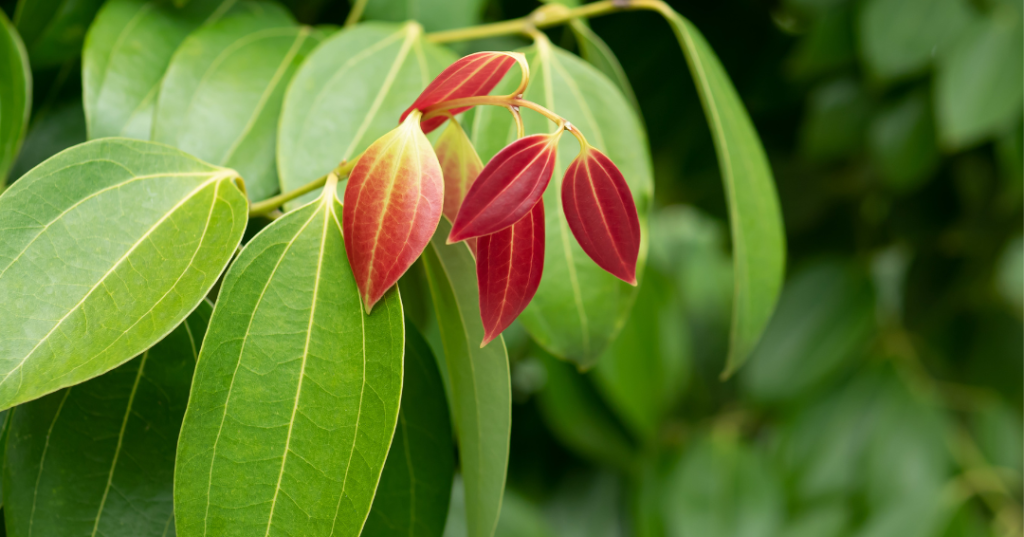
Interestingly, there are two primary species of cinnamon: Cinnamomum verum (“true cinnamon” or Ceylon cinnamon) and Cinnamomum cassia (cassia cinnamon, predominantly from China). While cassia cinnamon is more common in global trade due to its lower cost, it is of lesser quality and contains higher levels of coumarin, which can be harmful to the liver in large quantities. In Mauritius, however, the higher-quality Cinnamomum verum predominantly grows, adding another layer of value to the island’s culinary and medicinal traditions.
Over time, cinnamon became an essential part of the local culinary and medicinal traditions, a legacy that continues to shape how Mauritians use the spice today, especially in traditional recipes and remedies.
The Ethnobotanical History of Cinnamon
Cinnamon in Ayurveda: The Spice of Balance and Healing
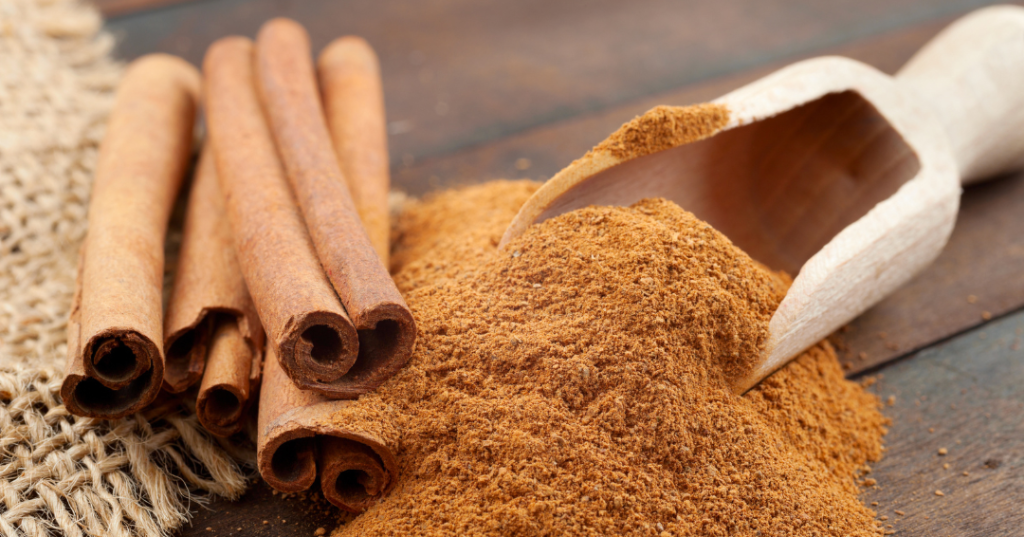
In Ayurveda, one of the world’s oldest holistic healing systems, cinnamon is known as Tvak. It has been an integral part of traditional Indian medicine for thousands of years. Ayurveda classifies cinnamon as a warming spice, balancing the body’s “vata” and “kapha” doshas, which are associated with coldness and sluggishness. It is used to promote digestion, improve circulation, and enhance metabolic function. Its phytochemical properties, especially cinnamaldehyde, are considered potent for treating respiratory conditions, cold symptoms, and digestive issues. Cinnamon’s anti-inflammatory and antimicrobial qualities are also employed in treating colds and boosting overall vitality, particularly during winter months when the body’s heat needs stimulation.
African Traditional Medicine: Cinnamon as a Remedy for Ailments
In various African traditional medicine systems, cinnamon is used to treat common ailments like digestive problems, respiratory infections, and as a topical remedy for skin conditions. Its antifungal and antibacterial properties are believed to help with stomach issues, while its warming effects are thought to ease symptoms of colds and flu.
In some regions, cinnamon is included in herbal blends for managing hypertension and diabetes, with the belief that it may have properties that help regulate blood sugar levels.
Cinnamon’s integration into African medicinal practices highlights its value not only as a spice but also as an essential element in healing traditions across the continent.
Cinnamon in Mauritius: A Legacy of Healing and Heritage
When cinnamon was introduced to Mauritius during the spice trade era, it became an important part of local ethnobotanical knowledge, blending influences from African, Indian, and European medicinal traditions. In Mauritian households, cinnamon has long been used as a home remedy to treat common ailments. Traditional “tisane” preparations often combine cinnamon with other local plants to address digestive issues, colds, and respiratory discomfort. The use of cinnamon leaves is particularly common in local herbal infusions, adding an aromatic and therapeutic quality to many traditional remedies. This continued use reflects how cinnamon has woven into the island’s cultural fabric, serving as both a culinary staple and a medicinal ingredient.
Planty: Honoring the Spice Heritage of Mauritius
At Planty, this rich history of spices is honored and celebrated through thoughtfully crafted blends. Our “Sunrise Boost” infusion, which features cinnamon leaves (from the higher-quality Cinnamomum verum) and turmeric, pays tribute to the island’s historical connection to the spice trade. Both cinnamon and turmeric, with deep roots in traditional medicine and cuisine, are combined to offer a blend that embodies the essence of Mauritius’ ethnobotanical heritage.
The creation of this blend reflects Planty’s mission to celebrate local plants and their cultural legacy. Each infusion highlights the unique flavors and historical importance of these ingredients, offering a sensory experience that connects the present to the past. Through our commitment to preserving this heritage, Planty invites you to explore the flavors of Mauritius while appreciating the stories carried within each spice.
Conclusion: The Lasting Influence of Cinnamon in Mauritius
Cinnamon’s journey to Mauritius reflects the island’s role in the global spice trade and its ability to weave new influences into its culture. Once a coveted treasure brought to the island under perilous circumstances, cinnamon has become a vital part of Mauritius’ culinary, medicinal, and cultural heritage. Today, it continues to inspire, reminding us of the deep connections between tradition and nature. Through Planty’s thoughtfully crafted infusions, we celebrate this heritage, offering a taste of Mauritius’ rich history while keeping its timeless legacy alive.