
Lemongrass (Cymbopogon citratus) stands as a vibrant symbol of cultural identity and heritage in Mauritius. Originally native to India, this aromatic plant has flourished across tropical and subtropical regions, including Asia, Central America, South America, and Africa. Its journey through these diverse landscapes has woven a rich tapestry of uses and meanings, making it an integral part of local traditions and practices, including its preparation as lemongrass tea.
At Planty, we are dedicated to reconnecting Mauritians with their ethnobotanical heritage by curating infusions that blend traditional wisdom with modern sensory experiences. Our Tropical Zen blend, crafted from lemongrass and bamboo, offers a modern expression of ancient plant knowledge, paying homage to lemongrass’s role in traditional healing and refreshment. This article explores the historical journey of lemongrass, its cultural significance—including its use across various cultures—and how it has been woven into the fabric of Mauritian identity.
The Origins of Lemongrass: A Cultural Journey
Lemongrass: A Traditional Remedy Across Cultures
Lemongrass (Cymbopogon citratus) traces its roots to the Indian subcontinent, where its fragrant leaves have been cherished for centuries. Its migration across the globe tells a story of how this humble grass became a cultural bridge, connecting people through shared traditions, rituals, and flavors. From the fields of India to the markets of Southeast Asia, and from the villages of Africa to the islands of the Caribbean, lemongrass has taken on unique roles in the daily lives of those who have cultivated it.
In its native India, lemongrass is deeply intertwined with Ayurveda, the ancient system of medicine. For centuries, Ayurvedic practitioners integrated lemongrass into their holistic practices, not only for its aromatic qualities but for its spiritual significance. Traditionally used in teas and infusions, it was believed to purify the body, calm the mind, and harmonize the soul. The distinct citrusy fragrance of lemongrass, rich in compounds like citral, infused wellness into daily rituals, soothing the weary and grounding the restless.
As it spread beyond the Indian subcontinent, lemongrass was adopted by other cultures, each imparting their own meaning to the plant. In Southeast Asia, it became a culinary staple, adding depth to broths and curries, while also serving as a comforting tea, often brewed for moments of reflection and calm.
It is said that traders brought lemongrass to the African coast, where it became deeply ingrained in the traditions of local herbalists.
Crossing oceans, lemongrass found a home in the Caribbean, where it is fondly known as “fever grass.” It plays a central role in morning routines, brewing for its invigorating flavor and grounding essence. In addition, some indigenous cultures regard lemongrass as a sacred herb, using it as an offering in rituals that honor nature spirits and ancestors, fostering a connection with the natural world. Furthermore, lemongrass is significant in various cultural and religious ceremonies, symbolizing purity and cleansing.
Symbolism of Lemongrass & Cultural Significance
Lemongrass embodies a rich tapestry of symbolism that resonates across cultures, reflecting themes of renewal, resilience, and deep connections to nature. Its invigorating aroma is often linked to purification and the clearing away of negativity, inviting positivity and fresh perspectives into daily life. This cleansing symbolism resonates through various rituals where lemongrass is used, fostering mental clarity and emotional renewal for those who incorporate it into their practices.
As a plant that thrives in diverse environments, lemongrass symbolizes resilience, mirroring the strength of communities that cultivate it. Its ability to flourish despite harsh conditions serves as a reminder of the endurance and adaptability inherent in nature and human spirit alike. In communal settings, lemongrass acts as a unifying force, bringing people together around shared meals and traditional practices that reinforce bonds and foster a sense of belonging.
In addition to these attributes, lemongrass embodies ideals of balance and tranquility, often featured in meditation and wellness practices. Its soothing properties help individuals cultivate mindfulness and a deeper connection to themselves and their environment. As lemongrass continues to be embraced globally, it stands as a multifaceted symbol, intertwining purification, resilience, community, and inner peace, reminding us of the intricate connections between nature, tradition, and the shared human experience.

Lemongrass in Mauritius: Historical Roots & Ethnobotanical Heritage
Historical Journey to Mauritius
The presence of lemongrass (Cymbopogon citratus) in Mauritius dates back to the mid-18th century, when it was introduced via the colonial trade routes that connected the island to other parts of the world. European powers, as they expanded their influence across the Indian Ocean, facilitated the exchange of not only goods but also plants and cultural practices. Lemongrass, native to tropical regions such as India and Southeast Asia, arrived in Mauritius during this global movement. By 1816, Thompson noted its cultivation in local gardens, a fact later confirmed by Bojer in 1837, who observed the plant’s widespread use on the island.
The arrival of Indian indentured laborers in the 19th century further shaped the cultural landscape of Mauritius. These laborers, brought to work on sugar plantations after the abolition of slavery, carried with them deep knowledge of herbal remedies, agricultural practices, and traditional cooking techniques. Their familiarity with lemongrass, a key ingredient in Indian cuisine and medicine, contributed to its integration into both Mauritian culinary traditions and local healing practices.
Consequently, lemongrass became a staple in Mauritian home gardens, used daily.” According to Bouton (1862), the leaves, when infused, provide a very pleasant beverage, diaphoretic, stimulating, and can be advantageously substituted for tea.” This endorsement highlights the longstanding significance of lemongrass in Mauritian culture.
The versatility of lemongrass made it a staple in Mauritian kitchens, where it is used to brew refreshing teas and as a key ingredient in various local dishes, enriching the island’s diverse culinary heritage.
Ethnobotanical Heritage: The Role of Lemongrass in Traditional Remedies
Lemongrass (Cymbopogon citratus) holds a significant place in the ethnobotanical heritage of Mauritius, where traditional medicine has long served as a vital resource for local communities. Historically, access to formal healthcare was limited; doctors and hospitals were often distant and costly, leading to a reliance on herbal remedies passed down through generations. This knowledge, rooted in Marathi practices, blended with insights from various communities, resulting in a “creolized” system of healing tailored to the unique Mauritian environment.
Local herbalists have documented numerous uses of lemongrass within these traditional healing practices. Its calming properties make it a favored remedy for various ailments. For instance, lemongrass is often combined with bitter orange leaves to create soothing infusions for coughs or mixed with ginger and honey to alleviate respiratory discomfort. Furthermore, it is frequently utilized alongside ginger in remedies for influenza, showcasing its role in promoting wellness and comfort in local households.
The integration of lemongrass into everyday healing practices underscores its ethnobotanical importance, reflecting the rich tapestry of knowledge and traditions that define Mauritian culture. This deep-rooted connection to nature and reliance on local plants exemplifies the enduring significance of lemongrass and other “latizann” in the community’s approach to health and well-being.
Celebrating Tradition with Tropical Zen Infusion: A Sip of Mauritian Culture
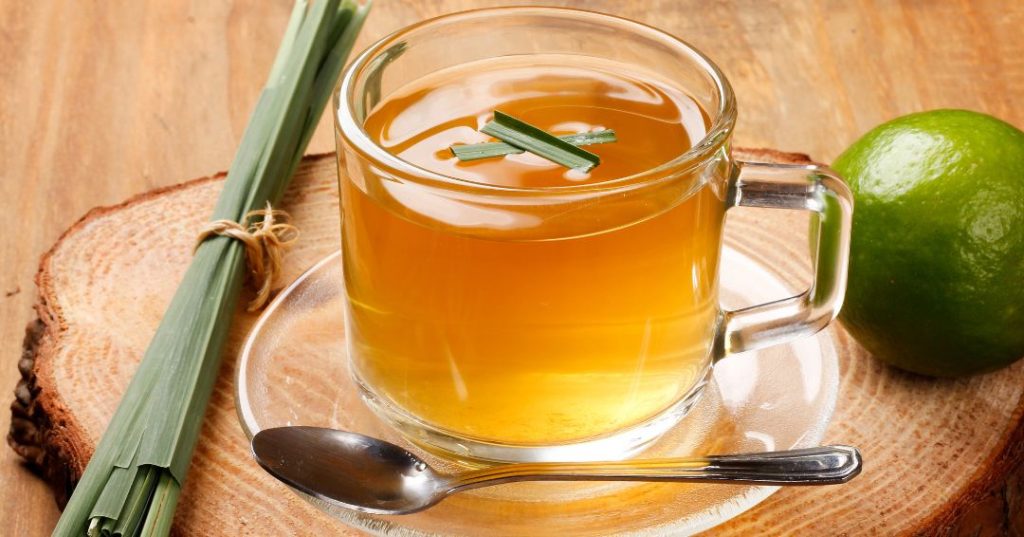
At Planty, our Tropical Zen infusion of lemongrass and bamboo is a tribute to Mauritian heritage. Each sip connects us to the island’s deeply rooted traditions and the natural world, inviting you to savor a piece of our culture—a gentle reminder of the stories and wisdom passed down through generations.
We’ve paired lemongrass with bamboo for more than just their complementary flavors; it’s about a deeper connection to nature. Lemongrass has long been cherished in Mauritian households for its soothing and revitalizing properties, while bamboo brings its own unique attributes. Known for its grounding nature, bamboo adds balance to the uplifting notes of lemongrass, creating harmony between calm and strength, mindfulness and vitality.