Pierre Poivre (August 23, 1719 – January 6, 1786), an 18th-century horticulturist and botanist, was born in Lyon, France. A visionary, Pierre Poivre envisioned Mauritius not merely as an exotic landscape but as a future agricultural hub capable of breaking the monopolies that dominated the global trade of rare spices. Upon his arrival on the island, his ambition extended beyond agriculture—he laid the foundation for a legacy of environmental stewardship and sustainable farming practices that continues to thrive today.
The role of Mauritius in the global spice trade lies hidden in its soil, carried on the breeze from its gardens, and woven into its culture—a legacy of an era when the island was a vital nexus in the Indian Ocean, bridging diverse worlds and traditions.
Today, Planty’s infusions celebrate this heritage, offering more than a taste—they provide a way for Mauritians to reconnect with their island’s ethnobotanical roots. Each blend serves as a sensory journey through history of Mauritian spices, botanicals, and the flavors that make the island’s landscape so unique.
The Early Years of Pierre Poivre
The journey of Pierre Poivre began in Lyon, France, in 1719. Captivated by botany from a young age, he traveled extensively, encountering the ecological wealth of the East Indies and observing the Dutch control over spice cultivation. Determined to disrupt this monopoly, Poivre saw Mauritius as an ideal site for cultivating these prized plants.
Appointed as Intendant of Isle de France (modern-day Mauritius) in 1767, Pierre Poivre embarked on an ambitious mission to transform the island’s landscape. His aim was to establish Mauritius as a spice hub, introducing nutmeg, cloves, and pepper to its soil. However, he was one of the first to recognize the need for conservation, noting that careless colonial practices had led to significant deforestation and ecological damage. His writings reflect this understanding:
“The island’s forests, once thick and abundant, were ravaged by ‘men eager and ignorant, thinking only of themselves, destroying the woods by fire.’ These individuals, Poivre lamented, had left the land ‘exposed without shelter to storms and a burning sun.”
— Discours de Pierre Poivre, upon his arrival on Isle de France.(1)
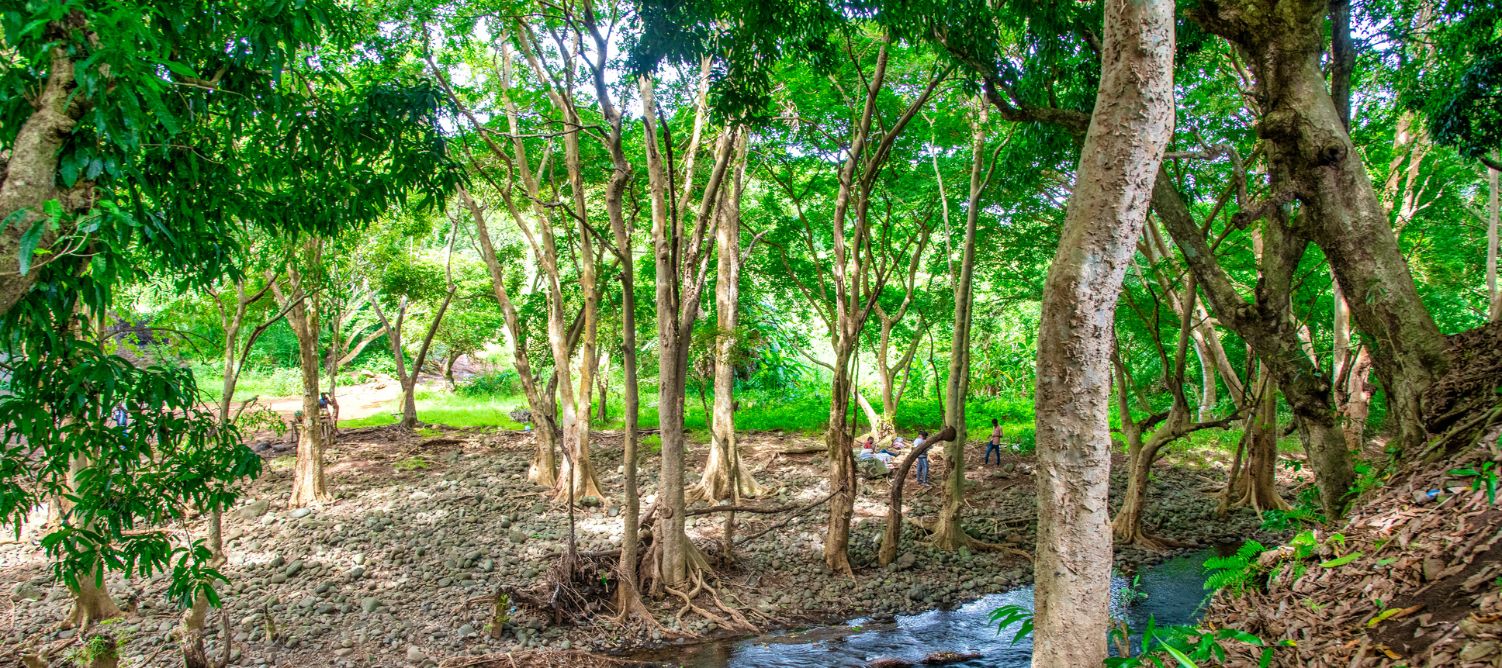
According to Pierre Poivre, deforestation had consequences that went beyond the land’s productivity; it disrupted the natural water cycles and threatened the island’s ecology. This early ecological mindfulness shaped his approach, emphasizing conservation in an era of exploitation.
Pierre Poivre Ambition: Cultivating a Vision for Spice and Sustainability
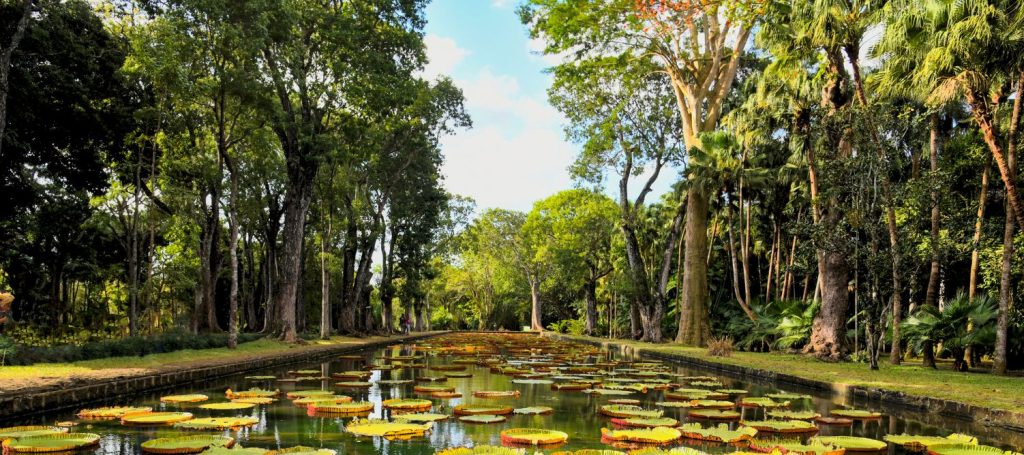
Poivre’s ambition was to turn Mauritius into a significant player in the global spice trade, transforming the island’s landscape through diverse spice gardens. He cultivated nutmeg, clove, pepper, and cinnamon, believing that these plants would thrive in Mauritius’ fertile soil. His vision led to the creation of the Pamplemousses Botanical Garden, which became both a sanctuary for exotic plants and a symbol of Mauritius’ botanical diversity. Albert Pitot described Poivre’s dedication:
“Pierre Poivre came to settle in 1767 after buying this property from the Compagnie des Indes; his inclination naturally led him to perfect and embellish the work of La Bourdonnais, of which only a few vestiges remained. It was rather a true creation that he undertook, guided by experience and taste.”(2)
Poivre’s Pamplemousses Garden was an ambitious experiment, showcasing the richness of the tropics while embedding a conservationist vision. He introduced not only spices but also diverse plant species, making the garden a tribute to both aesthetic beauty and agricultural practicality. Today, this garden stands as a testament to Poivre’s ecological foresight—a flourishing reminder of his belief in balancing beauty, utility, and environmental preservation.
Transformative Actions and Ecological Advocacy
Beyond his agricultural achievements, Pierre Poivre was an early ecological advocate of his era. His stance on conservation was groundbreaking, as he openly criticized colonial practices that ravaged the island’s resources. He recognized that deforestation and poor agricultural practices eroded soil fertility, decreased rainfall, and jeopardized long-term productivity:
“Nature has done everything for Isle de France; men have destroyed it all. The magnificent forests that once covered the land, moving the clouds to produce nourishing rain, are now gone. Only barren plains remain, scorched by the sun and deprived of the shelter once provided by the trees.”(3)
In 1769, Pierre Poivre introduced the Règlement Économique, a pioneering conservation law that established forest reserves on mountain slopes, riverbanks, and public lands. This regulation, recognized as one of the world’s first ecological protection laws, inspired many future conservation efforts, laying the groundwork for Mauritius’ Forest and Reserves Act of 1983.
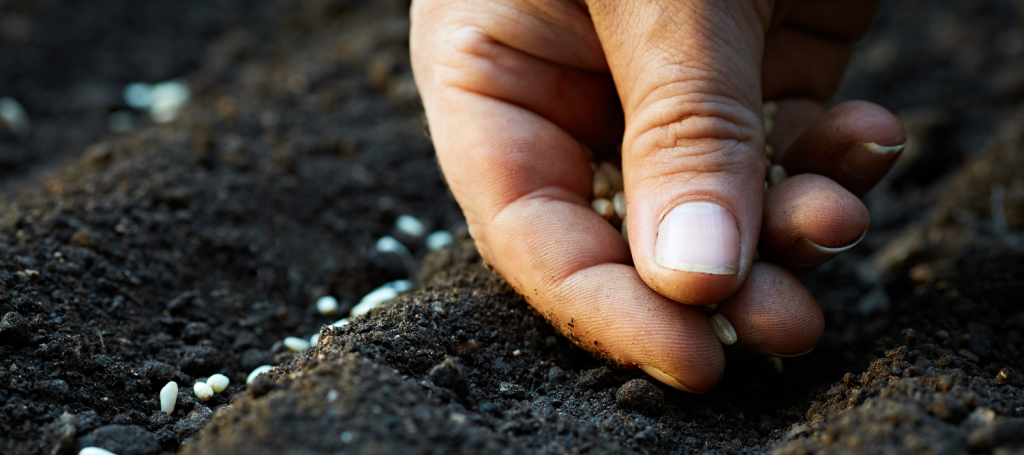
Pierre Poivre also aimed for Mauritius’ food independence by promoting agricultural practices that balanced both food and cash crop cultivation. He valued fauna, advocating the protection of species like the myna bird, which played a vital role in controlling the population of locusts threatening local crops.
By cultivating spice forests and protecting natural habitats, Pierre Poivre set a precedent for sustainable agriculture in Mauritius—one that remains relevant as the island continues to safeguard its environmental heritage.
The Legacy of Pierre Poivre: Reflections in Planty’s Infusions
Pierre Poivre’s influence on Mauritius extends beyond his own lifetime. His efforts introduced spices like cinnamon, nutmeg, and cloves, which have since shaped Mauritius’ culinary and cultural landscape. Planty’s infusions capture this botanical spirit, offering a sensory connection to Mauritius’ rich ethnobotanical heritage.
For example, in Planty’s Sunrise Boost, the leaves and bark of the cinnamon tree—a species that Pierre Poivre introduced—adds a warm, aromatic depth that resonates with the flavors that have long been woven into the history of Mauritius. Each infusion is a chapter in the island’s story of trade, resilience, and cross-cultural exchange, celebrating the diversity of local botanicals that have become part of Mauritius’ identity.
By thoughtfully selecting its ingredients, Planty aims to reconnect Mauritians with their roots, celebrating an ecological heritage that reaches back to a time when spice was both commerce and culture.
Conclusion
Pierre Poivre’s legacy is a reminder that the history of Mauritius is as much botanical as it is cultural. His contributions sparked an appreciation for the richness of this island’s ecosystem and its potential to sustain both people and plants in harmonious balance. Over time, Mauritius’ landscapes became infused with plants from faraway places, evolving into the unique tapestry of flavors, scents, and stories we know today.
At Planty, each infusion is crafted with this unique heritage in mind, offering more than a simple taste experience—it’s a reconnection to the land’s deep-rooted legacy. Through local botanicals like cinnamon, turmeric, and guava, we invite you on a journey that transcends mere flavor, calling back to the centuries-old story of Mauritius as a cradle of nature’s abundance and resilience. Our blends are a quiet celebration of continuity, encouraging each sip to reconnect with the island’s intricate and vibrant heritage.
In these moments, we hope to bridge the present with a past that’s both fragrant and full of life, honoring a heritage that is as much a part of our culture as it is our landscape. For us, it’s a reminder that the real treasures of Mauritius are not only in its history but in its capacity to nourish the soul and reconnect us with our roots, one infusion at a time.
(2) Albert Pitot, L’Île de France, Esquisses Historiques (1715-1810), 1899.
(3) Oeuvres complètes de Pierre Poivre, Intendant des Isles de France et de Bourbon. Précédées de sa vie, et accompagnées de notes. 1797