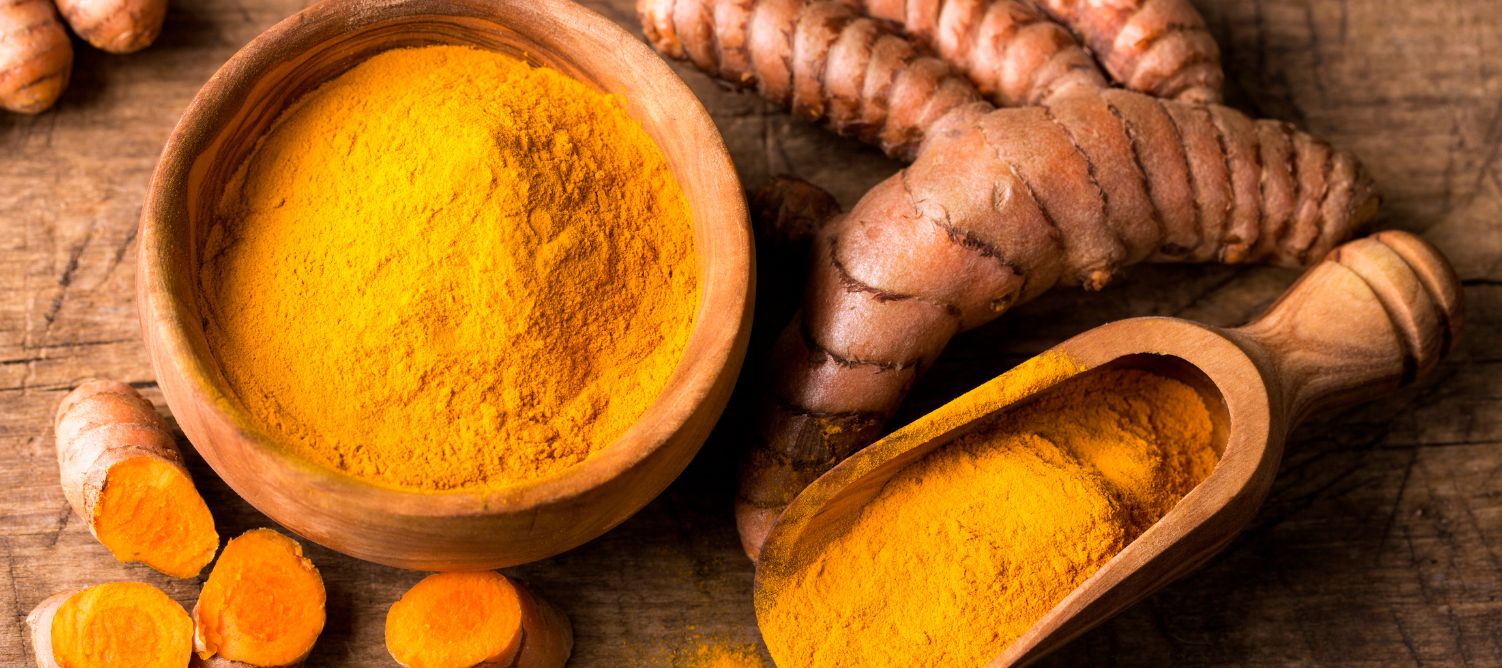
Turmeric, golden, earthy, and deeply rooted in tradition, has been cherished for centuries across cultures for its medicinal, culinary, and ritualistic significance.
From the ancient texts of Ayurveda to the spice markets of today, turmeric has remained a cornerstone of holistic healing and flavor.
In Mauritius, turmeric is woven into the fabric of daily life. It enriches curries with its distinctive color and aroma, finds its way into homemade remedies passed down through generations, and holds a sacred place in rituals that mark life’s milestones.
More than just an ingredient, it carries stories—of migration, adaptation, and cultural fusion.
But how did this vibrant spice travel across continents to find a home on our island? And how does its presence shape the way we connect to our botanical heritage today?
In this article, we embark on a journey through the rich history of turmeric—its rise as a global spice, its deep cultural and medicinal roots, its role in Mauritius, and how the botanical landscape continues to influence the way we live, eat, and heal.
The spice routes and the global spread of Turmeric
Turmeric’s journey begins over 4,000 years ago in the forests of South and Southeast Asia. Originating in India, it became one of the foundational spices of Ayurvedic medicine, praised for its ability to balance the body’s doshas—Vata (air and space), Pitta (fire and water), and Kapha (earth and water). These doshas represent different physiological and psychological functions, and Ayurvedic practitioners used turmeric to restore harmony and treat ailments ranging from digestive issues to inflammation. (1)
In addition to its medicinal applications, turmeric played a role in religious and cultural ceremonies, symbolizing purity and prosperity.
As global trade networks expanded, turmeric found its way along the famous Silk Road—a vast network of interconnected trade routes that facilitated the exchange of goods, ideas, and culture between Asia, the Middle East, and Europe.
Maritime trade routes also played a crucial role in its dissemination, as Arab traders introduced turmeric to Persia, the Arabian Peninsula, and East Africa. By the 13th century, it had reached Europe, where it was prized both as a dye and as an affordable alternative to saffron.
Though turmeric and saffron are both known for their golden hues, they differ significantly. Saffron is derived from the stigma of the Crocus sativus flower and is notoriously labor-intensive to harvest, making it one of the most expensive spices in the world.
Turmeric, on the other hand, comes from the rhizome of the Curcuma longa plant and is more readily available and affordable, making it a popular substitute for saffron in culinary applications.
Turmeric’s arrival in Mauritius
The journey of turmeric to Mauritius is deeply tied to the island’s complex history of migration and cultural transformation. Though widely used across Asia for centuries, turmeric became firmly established in Mauritius during the 19th century, arriving with the waves of indentured laborers from India following the abolition of slavery in 1835.
At the time, Mauritius was a crucial hub in the British colonial empire, with sugarcane cultivation dominating the economy. The abolition of slavery created a labor shortage on plantations, prompting British authorities to implement the indentured labor system, recruiting workers primarily from Bihar, Uttar Pradesh, Tamil Nadu, and Andhra Pradesh.
Between 1834 and 1920, over 450,000 Indian laborers arrived on the island, bringing with them their skills and labor but also their languages, spiritual beliefs, and deep-rooted botanical knowledge.
This migration laid the foundation for a rich cultural exchange, where culinary traditions and medicinal practices blended with those of Chinese, African, and European settlers. Turmeric, a staple in Indian households for cooking, medicine, and rituals, took root in the Mauritian landscape, gradually integrating into the island’s evolving identity.
What began as an imported necessity for Indian laborers soon became an island-wide staple, embraced in both cuisine and wellness. The fusion of traditions shaped a uniquely Mauritian approach to food and healing, where turmeric played a central role—a testament to the island’s history of resilience, adaptation, and interconnected cultures.
Cultural and Ritualistic Importance
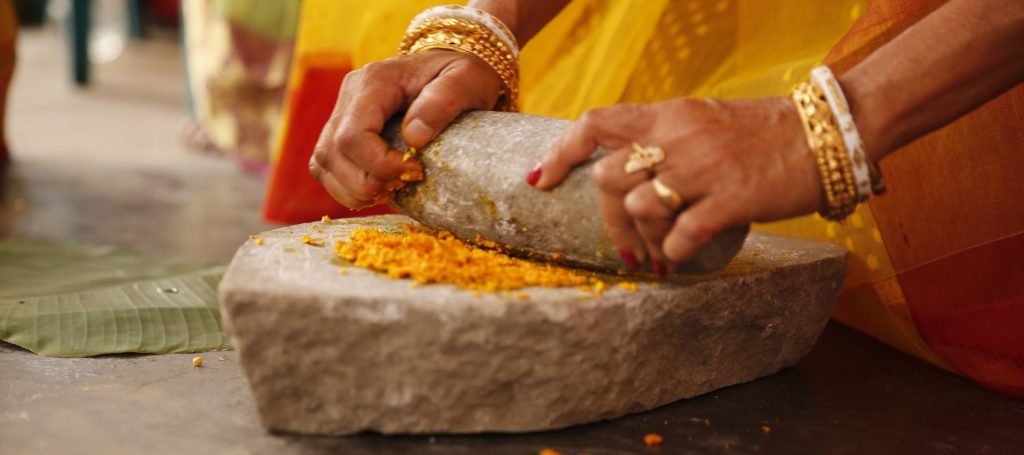
Beyond its medicinal properties, turmeric carries profound cultural, spiritual, and environmental significance. In Hindu rituals, it symbolizes purity, prosperity, and fertility. Its golden-yellow hue is revered as auspicious and is believed to bring blessings of wealth, health, and well-being. In Mauritius, turmeric is woven into many important cultural and ceremonial practices, making it not just a healing herb, but a potent symbol of life’s blessings.
In addition to its cultural and spiritual roles, turmeric also plays a crucial environmental and agricultural role. An example of this is seen in Rodrigues, where turmeric cultivation has become an innovative solution to combat soil erosion. Farmers there plant turmeric tubers to help mitigate the impact of heavy rainfall, which often washes away fertile topsoil. The roots of the turmeric plants help stabilize the soil, preventing erosion. Furthermore, the plant’s remnants, once harvested, break down into compost, enriching the soil and enhancing its quality for future crops. (2)
How the botanical landscape shapes culture
Mauritius is a living, breathing landscape where plants and culture intertwine.
The presence of turmeric in local cuisine and medicine is a testament to how the natural world shapes traditions, from the remedies our elders swear by to the dishes we cannot imagine life without.
Our botanical landscape is not just about plants; it is about stories, knowledge, and heritage. The biodiversity of Mauritius has influenced how we eat, heal, and celebrate, and turmeric is one of the many plants that remind us of this deep connection. By embracing and protecting our plant heritage, we ensure that future generations will continue to benefit from its wisdom.
Planty’s mission: Reviving the ethnobotanical heritage through infusions
At Planty, we believe in preserving the richness of our botanical heritage. Our infusions celebrate the plants that have shaped Mauritian traditions, bringing the flavors and benefits of ingredients like turmeric into modern life. By carefully sourcing local, sustainably grown turmeric, we craft infusions that honor its healing legacy while making it relevant for today’s lifestyle.
Turmeric shines in our Sunrise Boost Infusion, where it harmonizes with cinnamon leaves to awaken your senses.
Through our infusions, we invite you to reconnect with an ancient tradition that has traveled across continents, shaped cultures, and found a home in Mauritius. By embracing these traditions, we celebrate our past and contribute to a future where our botanical heritage thrives.
(1) Sharma, H., & Chandola, H. M. (2011). Ayurvedic Medicine: The Principles of Traditional Practice.
(2) Rodrigues turmeric producers association – Equator initiative